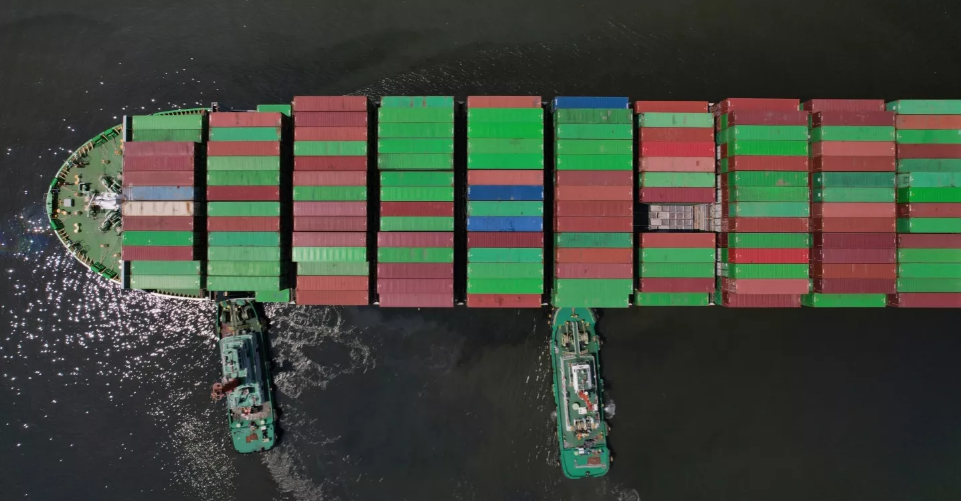
The global shipping industry is facing growing concerns over fuel shortages after the war involving Iran disrupted supplies of bunker fuel, the heavy oil used to power most cargo ships.
The closure of the Strait of Hormuz, a key route for Middle Eastern oil exports, has sharply reduced supplies of bunker fuel to Asia, particularly to Singapore, the world’s largest refuelling hub for ships.
Bunker fuel is a thick, low-grade oil left over after crude oil is refined. Although dirtier than fuels used in cars and aircraft, it remains essential to global trade, helping transport around 80 percent of goods traded worldwide by sea.
Industry experts warn that a prolonged shortage could significantly increase shipping costs, push up consumer prices and hurt businesses around the world.
The impact is being felt most strongly in Asia, which depends heavily on Middle Eastern oil. Fuel reserves in Singapore are shrinking while prices continue to rise.
According to commodity analysts, bunker fuel prices in Singapore have surged from around $500 per metric ton before the conflict to more than $800 in early May.
Shipping companies are trying to cope by slowing vessel speeds, adjusting schedules and exploring ships that can use alternative fuels.
However, analysts say some smaller companies may struggle to survive if the crisis continues.
Henning Gloystein of consultancy Eurasia Group said the disruption will eventually spread beyond Asia and affect supply chains worldwide.
Asia adopts emergency energy measures
Countries across Asia have responded by increasing coal use, buying more oil from Russia and reconsidering nuclear power projects.
The region is bracing for further challenges as fuel stocks decline and government subsidies become harder to maintain.
More than half of global seaborne trade passed through Asian ports in 2024, according to the United Nations, meaning disruptions in the region could have worldwide consequences.
Higher costs likely to reach consumers
Shipping firms are absorbing most of the extra costs for now, but analysts say these increases are likely to be passed on to customers.
The European Federation for Transport and Environment estimates that the war is costing the global shipping industry about 340 million euros, or nearly $400 million, each day.
Risk consultancy Aon said bunker fuel shortages typically affect shipping costs faster than many other market pressures.
As transport costs rise, prices of goods ranging from food and electronics to clothing could also increase.
Consumers in Singapore are already feeling the impact, with ferry operators raising fares and cruise companies adding fuel surcharges.
Alternative fuels gain momentum
The crisis is also increasing interest in greener fuels such as liquefied natural gas (LNG).
Wärtsilä CEO Håkan Agnevall said rising fossil fuel prices are making cleaner alternatives more financially attractive.
The Caravel Group CEO Angad Banga said about one-third of the ships currently under construction under its management will be capable of using both conventional bunker fuel and alternatives such as LNG.
Although infrastructure for LNG-powered ships is still limited, industry leaders say investment is growing and progress is being made.
Banga said ship owners are increasingly willing to invest in fuel-flexible vessels, as the ability to switch fuels has become more valuable amid ongoing market uncertainty.