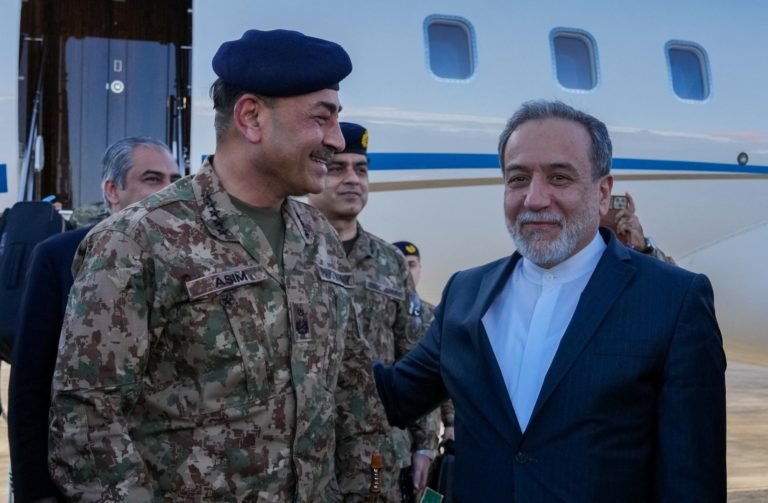
Pakistan’s army chief is visiting Tehran on Thursday to hold talks with Iranian officials, aiming to revive negotiations between the United States and Iran and extend an existing ceasefire that has paused nearly seven weeks of conflict in the region.
The war — involving Israel, the U.S. and Iran — has left thousands dead and shaken global markets, particularly by disrupting oil supplies. Although the ceasefire has held so far, doubts remain over whether ongoing diplomatic efforts can produce a lasting agreement as it reaches the midpoint of its initial two-week duration.
The visit comes amid broader diplomatic activity. US President Donald Trump said leaders of Israel and Lebanon could speak later Thursday about ending hostilities, which would mark their first direct contact in over three decades. However, officials from both sides have not confirmed the possible talks, while cross-border attacks between Israel and Hezbollah continued.
The White House indicated that any renewed negotiations between Washington and Tehran may be held in Islamabad, though no final decision has been made. Despite tensions — including a US naval blockade of Iranian ports and threats of retaliation from Tehran — the ceasefire remains largely intact.
Pakistan has positioned itself as a key mediator after previously hosting direct US-Iran discussions in Islamabad, which reportedly helped narrow differences. Efforts are underway to resume dialogue before the ceasefire expires next week.
The conflict has had widespread economic repercussions, disrupting shipping routes and damaging infrastructure across the Middle East. Oil prices have shown signs of easing amid hopes for peace, while US stock markets have rebounded to record levels.
Meanwhile, uncertainty persists over possible Israel-Lebanon talks. Though an Israeli minister suggested Prime Minister Benjamin Netanyahu could speak with Lebanese President Joseph Aoun, neither government has officially confirmed such plans. Hostilities between Israel and Hezbollah have continued, with rocket and drone attacks reported alongside intensified Israeli strikes in southern Lebanon.
Regional officials say there has been some progress in US-Iran negotiations, with reports of a preliminary understanding to extend the ceasefire. However, divisions remain, particularly over Iran’s nuclear programme, the Strait of Hormuz, and compensation for wartime damages.
Iran has signalled willingness to discuss limits on uranium enrichment but insists on maintaining its right to continue the programme. At the same time, military and political tensions remain high, with threats from Iranian officials and continued pressure from the US, including potential new sanctions.
The conflict has claimed thousands of lives across the region, including in Iran, Lebanon, Israel and Gulf countries, as well as US personnel.
Separately, Pakistan’s Prime Minister Shehbaz Sharif arrived in Qatar on Thursday as part of a regional tour focused on supporting peace efforts and promoting stability in the Middle East.
China has also called for de-escalation, urging that the Strait of Hormuz remain open to ensure global energy security, as the sitation stands at a critical point between war and peace.