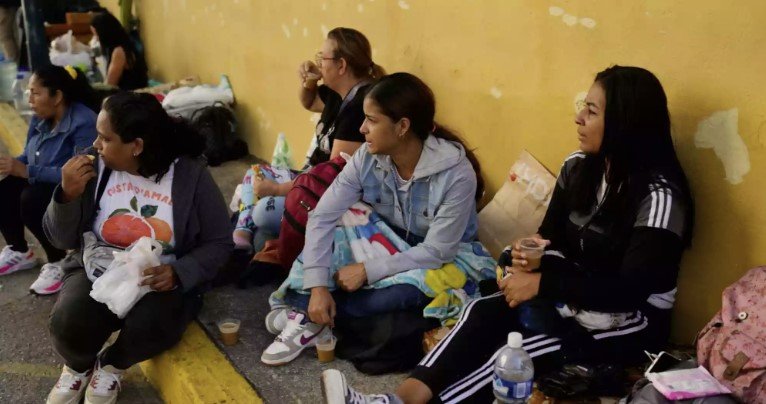
Yaxzodara Lozada awoke shivering on Tuesday after spending the night on the sidewalk outside a Caracas prison, clinging to the hope that her husband, a police officer detained on Nov. 17, would be released under a goodwill measure announced by the government last week.
Despite signs that daily life in Venezuela is slowly returning to normal, with shopping centers, schools and gyms reopening, the government’s pledge to release jailed opposition members, activists and journalists has moved far more slowly than expected, drawing growing criticism.
The reopening comes a week after a dramatic U.S. operation that resulted in the detention of President Nicolás Maduro.
Families of more than 800 people whom human rights groups classify as political prisoners began assembling outside detention centers on Thursday, following an announcement by acting President Delcy Rodríguez that a substantial number of detainees would be freed as a “peace-seeking” gesture. Authorities, however, have not disclosed how many prisoners would be released or who would qualify, leaving advocacy groups scrambling for information and relatives in limbo.
By Monday afternoon, the legal group Foro Penal confirmed that 49 detainees had been released, including several foreign nationals. That same day, the White House confirmed an upcoming meeting between opposition leader María Corina Machado and U.S. President Donald Trump, who said the releases occurred at Washington’s request.
While welcoming the releases, the UN-backed fact-finding mission said the number freed falls well short of demands for the immediate and unconditional release of all political prisoners.
Outside prisons, families slept on sidewalks awaiting news, contrasting sharply with the government’s push to project stability as schools reopened under heightened security.
Officials emphasized resilience and optimism, even as relatives described fear, uncertainty and anguish over loved ones they have not seen for weeks.