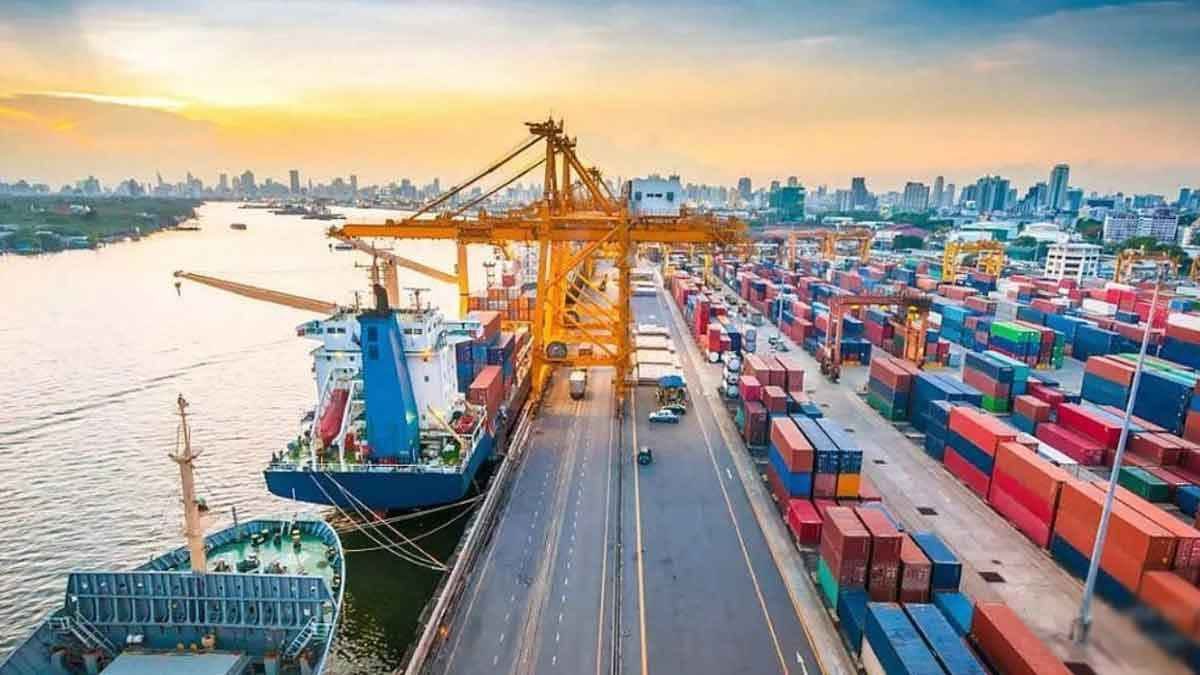
Amid ongoing tensions in the Middle East, a total of 18 fuel-carrying vessels, including LNG tankers, have crossed the Strait of Hormuz and reached Bangladesh. According to port authorities, fuel unloading has already been completed from 11 out of 21 ships, while unloading operations are currently underway on seven others.
Port officials said the vessels are carrying liquefied natural gas (LNG), liquefied petroleum gas (LPG), different types of fuel oil, and raw materials for industries.
This ships had departed from various Middle Eastern ports for Bangladesh. Although military tensions were escalating in the region at that time, the vessels managed to cross the Strait of Hormuz before the conflict intensified. They are now arriving at Chattogram Port in phases and cargo unloading operations are continuing.
To meet the country’s growing energy demand, fuel-carrying ships are regularly arriving at the port from Qatar, the United Arab Emirates, Singapore and Malaysia. Between March 3 and March 17, within a span of 14 days, a total of 21 large vessels carrying LNG, LPG, crude oil and furnace oil have arrived or are scheduled to arrive in Bangladesh.
These details were revealed in the latest list published by the Chattogram Port Authority last Friday. More than half of the vessels have already completed unloading.
Syed Refayet Hamim, Secretary of the Chattogram Port Authority, said that despite the tensions in the Middle East, 18 vessels had crossed the Strait of Hormuz and reached Bangladesh before the conflict escalated. Out of the 21 vessels scheduled to arrive, unloading from 11 has been completed, while seven vessels are currently in the process of discharging their cargo.
He added that security and operational measures have been strengthened to ensure smooth berthing, unloading and supply operations at the port. Among the vessels are LNG tankers named Lusail and Al Galayel. Several ships are also carrying marine fuel and raw materials needed for industries such as garments, plastics and chemicals.
According to port sources, seven vessels are currently unloading fuel directly at locations including Kutubdia, Sitakunda, Bhatiary and the Floating Storage and Regasification Unit (FSRU). The LPG carrier LPG Sevan is unloading liquefied petroleum gas near Kutubdia, while the LNG tanker Al Galayel from Qatar is discharging cargo at the FSRU facility.
Officials expect the unloading operations of these vessels to be completed between March 14 and March 20. In addition, two more vessels are scheduled to enter the port’s outer anchorage on Saturday, while another LNG carrier named Prachi from Australia is expected to arrive on March 17.
Bangladesh largely depends on imports from the Middle East and Southeast Asia to meet its energy needs. Large LNG carriers such as Al Zour and Al Jasasiya from Qatar are supplying liquefied natural gas, while gas oil and high-sulfur furnace oil are being imported from Singapore and Malaysia.
Meanwhile, base oil and LPG have also been brought from India aboard vessels named Angel No. 11 and Shumit-7. Several shipping agencies including Uniglobal, Pride and Seaside are handling the logistics and agency services for the vessels.
Industry insiders say the steady arrival of fuel-carrying ships at Chattogram Port is a positive sign for the country’s energy security. Increased imports of LNG and LPG are expected to help ease gas shortages in both residential and commercial sectors.