BP Desk
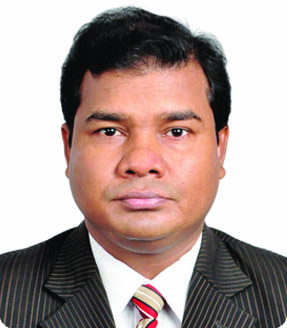
Bangladesh has achieved a significant milestone in global environmental leadership as Ms. Siddika Sultana, Executive Director of the Environment and Social Development Organization-ESDO, has been elected to the Steering Committee of the International Pollutants Elimination Network (IPEN) for the 2026–2029 term.
The election was confirmed through the 2026 General Assembly of International Pollutants Elimination Network (IPEN), where members from across the world voted to approve the new Steering Committee.
Ms. Sultana was selected from the South Asian region to serve on the influential global body, reflecting international recognition of Bangladesh’s growing leadership in environmental protection, chemical safety, and pollution prevention.
The newly elected Steering Committee consists of distinguished environmental leaders and experts from Africa, Asia, Europe, Latin America, North America, and the Caribbean. Ms. Sultana will represent South Asia and contribute to shaping IPEN’s global advocacy, strategic priorities, and policy engagement on hazardous chemicals, waste management, and environmental justice.
Speaking on the occasion, Ms. Siddika Sultana said: "This appointment is not only a recognition of my work but also a recognition of Bangladesh’s growing role in addressing global environmental challenges. I am honored to represent our country and South Asia in advancing safer chemicals policies, protecting public health, and promoting environmental justice worldwide."
The International Pollutants Elimination Network (IPEN) is a global network of more than 600 public interest organizations working in over 125 countries. Established in 1998, IPEN works to promote safe chemicals policies, eliminate toxic substances, protect human health, and advance environmental justice.
IPEN has played a critical role in influencing international agreements and policies related to hazardous chemicals and waste, including the Stockholm Convention on Persistent Organic Pollutants, the Minamata Convention on Mercury, and the Strategic Approach to International Chemicals Management (SAICM). Through scientific research, policy advocacy, and grassroots engagement, IPEN works to reduce exposure to toxic chemicals that threaten human health, biodiversity, and ecosystems worldwide.
Significance for Bangladesh
Ms. Sultana’s election comes at a time when Bangladesh is increasingly engaging in global discussions on chemical safety, plastic pollution, hazardous waste management, and sustainable development. Her position on the IPEN Steering Committee will provide Bangladesh with a stronger voice in international environmental policy dialogues and contribute to strengthening regional cooperation on environmental health issues across South Asia.
For more than three decades, ESDO has been at the forefront of environmental and social development initiatives in Bangladesh, working on pollution prevention, climate resilience, chemical safety, circular economy solutions, and community-based environmental action.
The election of Ms. Siddika Sultana to the IPEN Steering Committee underscores both her longstanding contributions to environmental advocacy and Bangladesh’s growing influence in shaping global environmental governance.