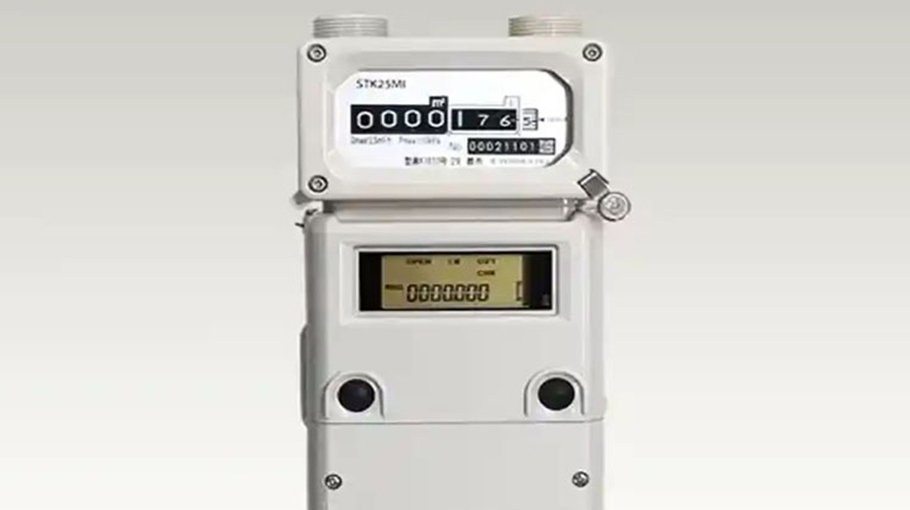
The government has set a bold plan to implement prepaid meters for all gas users in the country.
State Minister for Power, Energy, and Mineral Resources Nasrul Hamid revealed the plan on Saturday.
Minister Hamid inaugurated a data center for the Jalalabad Gas Transmission and Distribution Company—which has already provided prepaid meters to 50,000 customers in the region—during his visit to Sylhet.
The data center will play a critical role in keeping an eye on gas consumption and spotting any instances of overuse.
He said, the objective of this initiative is to minimize waste, guarantee equitable distribution, and improve energy efficiency.
Commencing on January 1, 2021, the installation of 50,000 pre-paid meters demonstrates the government’s dedication to updating the gas distribution infrastructure.
The minister praised Jalalabad Gas for using its own funds to complete the project quickly and effectively, creating a favorable precedent for similar projects in the future.
Addressing the programme, the minister disclosed intentions to bring prepaid metering services to an additional 150,000 Sylhet residents, underscoring the government’s commitment to encouraging cost-effectiveness and energy efficiency.
Prepaid meters are predicted to completely transform Bangladesh’s gas industry by lowering customer burden, minimizing system losses, and reducing gas waste.
Bangladesh University of Engineering and Technology (BUET) professor Mohammad Tamim emphasized the value of
prepaid meters in maintaining equity and encouraging consumers to use gas responsibly.
Additionally, data from the Implementation Monitoring and Evaluation Division (IMED) highlights how prepaid meters reduce consumer spending and gas usage. Prepaid meter-equipped households saw a significant drop in gas consumption and expenses, according to the IMED’s deep monitoring report, demonstrating the initiative’s efficacy.
In addition to promoting energy efficiency, proper metering will enable gas distribution companies to identify and address gas leakages effectively, thus preventing waste and mitigating environmental impact. The World Bank’s project information document emphasizes the potential of prepaid meters to reduce methane emissions and foster a more responsive and efficient gas distribution system.
Ministry officials said, while challenges such as procurement delays and technical issues have been encountered during the implementation process, the government remains committed to overcoming these obstacles to ensure the successful rollout of prepaid metering nationwide.
The government plans to install over 24 lakh prepaid gas meters, totaling Tk5,000 crore in costs. The Economic Relations Division (ERD) has sought financing from three foreign lenders, with initial consent from the World Bank. The installation aims to reduce consumer burden, system losses, and gas wastage.
The ERD has requested Tk3,000 crore from the World Bank, Tk1,281 crore from JBIC, and Tk942 crore from ADB for three projects. The World Bank’s $300 million project, “Gas Sector Efficiency Improvement and Decarbonisation Project,” includes a sub-component of $270 million for installing 11.86 lakh meters.
Most meters, 23.5 lakh, will go to Titas, covering 93.44% of its household customers, with 86,000 for Pashchimanchal Gas Company Limited.
Prepaid meters aim to address fixed monthly bills regardless of consumption, fostering efficient resource use. Dr. Mohammad Tamim emphasizes fairness in pricing and reduced gas consumption and wastage. Prepaid meters in Titas could save about five crore cubic feet of gas daily.
IMED reports show prepaid meters reduce gas expenditure by 87% and decrease usage by 33 cubic meters monthly per family. The World Bank notes proper metering can prevent waste and reduce methane emissions by 70%.
While prepaid meters may reduce revenue for gas companies, Titas could earn Tk5 crore monthly by redistributing saved gas. Installation began in 2015, delayed by procurement issues, contractor delays, and customer disinterest in repairs.
Prepaid meter rollout is a major step toward Bangladesh’s goal of energy security and environmental sustainability as the country works toward a more efficient and sustainable energy infrastructure.
Bangladesh has the potential to become a global leader in effective energy management if government organizations, business partners, and consumers continue to work together.