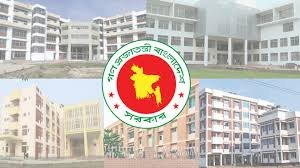
The government's decision to establish five specialised 200-bed children's hospitals in Khulna, Barishal, Rangpur, Rajshahi, and Cumilla marks a landmark step in strengthening paediatric healthcare services in Bangladesh. At a time when access to quality healthcare for children remains uneven across regions, the initiative has the potential to save countless young lives, reduce the burden on overcrowded hospitals in Dhaka, and bring specialised treatment closer to families in divisional cities. If implemented successfully, these hospitals will significantly enhance the country's healthcare infrastructure and contribute to better child health outcomes.
The facilities are being equipped with modern healthcare technologies, including Intensive Care Units (ICUs), neonatal ventilators, CT scan machines, cardiac monitors, phototherapy equipment, and other advanced diagnostic and treatment tools. The government's commitment to making the hospitals centrally air-conditioned and expandable for future needs demonstrates a forward-looking approach. Equally encouraging is the completion of the tender process for furniture and medical equipment, indicating that the project has moved beyond the planning stage.
However, while the initiative deserves appreciation, concerns remain regarding the timely completion and operationalisation of these hospitals. Bangladesh's administrative system has often struggled with delays caused by bureaucratic procedures, coordination failures, and manpower shortages. Numerous public projects have faced setbacks despite ambitious timelines and adequate funding. Therefore, the announced schedules for opening the hospitals must not remain mere targets on paper. They should be treated as firm commitments to the people.
In this context, the Prime Minister's Office should establish a special monitoring mechanism to oversee the progress of each hospital. Regular reviews, field inspections, and performance-based accountability can help ensure that recruitment, equipment installation, utility connections, and administrative preparations are completed according to schedule. Any emerging obstacles should be identified and addressed immediately rather than allowing delays to accumulate. A dedicated monitoring cell under the Prime Minister's Office could play a crucial role in maintaining momentum and ensuring that these much-needed facilities begin serving patients as promised.
Equally important is the issue of long-term operation and maintenance. Bangladesh has witnessed many instances where completed public facilities remained underutilised or non-functional for years due to lack of manpower, poor maintenance, or administrative neglect. The challenge does not end with inaugurating a hospital building. A hospital can fulfil its purpose only when it operates efficiently, continuously, and with adequate staffing and equipment support.
The government's plan to recruit the required workforce for these hospitals is therefore critical. Recruiting doctors, nurses, technicians, and support staff should be given the highest priority. Moreover, adequate budgetary allocations must be ensured for maintenance, equipment servicing, medicine supply, and utility management. Without sustained operational support, even the most modern healthcare facilities can quickly lose effectiveness.
To prevent such outcomes, a dedicated Operation and Maintenance (O&M) monitoring and supervision team should be formed under the Prime Minister's Office or the Health Ministry. This team should regularly evaluate service quality, staffing levels, equipment functionality, and patient satisfaction. Such oversight would help ensure uninterrupted healthcare services and protect the substantial public investment made in these hospitals.
The establishment of five specialized children's hospitals represents a major opportunity to transform paediatric healthcare in Bangladesh. Yet the true success of this initiative will be measured not by the completion of buildings but by the quality and continuity of services delivered to children. Timely opening, effective staffing, and rigorous maintenance must therefore receive equal attention. The government must now ensure that these hospitals become vibrant centres of healing and hope for generations of children across the country.