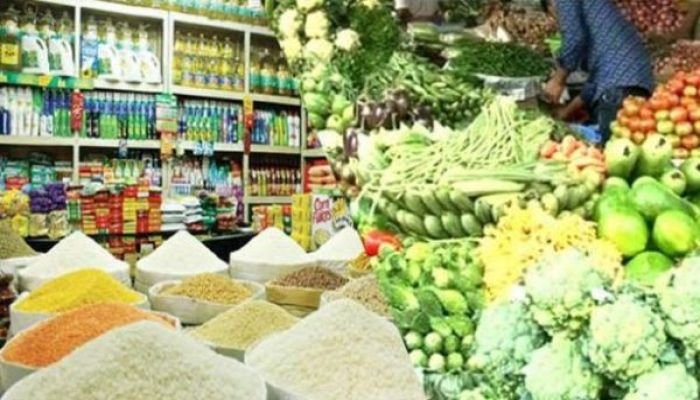
Rising prices of vegetables and other essential commodities are putting increasing pressure on low- and middle-income families, forcing many to cut back on their daily food purchases.
Prices of rice, lentils, edible oil and onions remain high, while seasonal vegetables have also become increasingly expensive. As a result, many consumers are struggling to balance household expenses with their incomes.
A visit to major markets in Dhaka, including Mirpur, Karwan Bazar, Mohakhali, Rampura and Malibagh, on Friday showed consumers facing steep prices for basic food items.
Most vegetables are now selling for Tk80-100 per kilogram or more, with only a few common varieties available below that range. Consumers blamed inadequate market monitoring for allowing retailers to charge excessive prices, while traders attributed the increases to higher wholesale costs.
The price of flour has also risen. Packaged flour is currently selling for around Tk65 per kilogram, compared with Tk55 just 15-20 days ago. Loose flour costs Tk65-70 per kilogram, while packaged flour from different brands is priced at Tk70-75.
Sugar prices have also climbed to Tk120-125 per kilogram, up around Tk10 from a week earlier. A Malibagh trader said the price of a 50kg sack had increased by Tk900-1,000 within a few days, with dealers warning that packaged sugar prices could rise further.
The rising cost of protein is adding to the burden. Farmed tilapia and pangas are selling for Tk220-250 per kilogram, while medium-sized rui and katla cost at least Tk350.
Beef is priced at Tk780-850 per kilogram, while mutton costs more than Tk1,100. Broiler chicken is selling for Tk180-190 per kilogram, and Sonali chicken for around Tk320 per kilogram.
Consumers said they are being forced to reduce their purchases even before the middle of the month. Many said their budgets are being exhausted by basic necessities, leaving little room for fish and meat.
They urged the government to strengthen regular market monitoring and take effective action against traders involved in unfair pricing and market manipulation.
Retailers, however, said they are also purchasing goods at higher prices from major wholesale markets, including Karwan Bazar. Higher transportation and other operating costs, they said, leave them with limited scope to reduce retail prices.
Retailers added that consumers are buying smaller quantities because of high prices, increasing the risk of unsold products going to waste and further reducing their profits.