The United States and Iran have reportedly agreed on the wording of a draft agreement intended to end the ongoing conflict in the Middle East, according to Pakistan’s Prime Minister Shehbaz Sharif.
Speaking on Friday, Sharif said both countries had reached consensus on a final text and that mediators are now working with Washington and Tehran to complete the remaining steps needed to formalize the deal. Pakistan has played a leading role in the mediation efforts.
In a post on X, Sharif expressed optimism, saying that a peaceful resolution appears closer than ever.
The development follows several days of military exchanges involving Iran, the United States, and Israel, raising fears of a broader regional conflict. Iranian Foreign Minister Abbas Araghchi also suggested that an agreement was within reach, while U.S. President Donald Trump shared similar sentiments by reposting Araghchi’s remarks on social media.
According to Araghchi, the proposed agreement would initially focus on ending hostilities across the region, including in Lebanon. Discussions concerning Iran’s nuclear program would continue for up to 60 days after the signing of the initial accord, with the possibility of extending that timeline if necessary.
Iran’s nuclear activities remain one of the most contentious issues in the negotiations. The United States and Israel argue that Tehran’s program could eventually be used to develop nuclear weapons, while Iran maintains that its nuclear efforts are strictly peaceful.
A senior U.S. official indicated that the draft agreement would begin the process of eliminating or removing Iran’s highly enriched uranium. The following 60-day period would be used to address technical details related to that process.
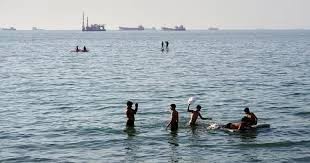
The negotiations also address the Strait of Hormuz, a critical route for global oil and natural gas shipments. Disruptions in the waterway have contributed to higher energy costs worldwide. The proposed deal reportedly includes measures to reopen the strait and restore normal shipping operations.
Iran has signaled that it wants to retain the right to charge transit fees for vessels using the strait, arguing that such payments would compensate for services provided during passage.
Regional officials familiar with the discussions said the agreement is also expected to include a gradual easing of sanctions on Iran and the release of frozen Iranian assets. They believe a formal signing ceremony could take place within days, pending final approval from both governments.
Although Israel is not directly involved in the negotiations, Prime Minister Benjamin Netanyahu reiterated that Iran must not acquire nuclear weapons. Israeli Defense Minister Israel Katz also emphasized that Israel expects its security concerns—including Iran’s missile capabilities and regional proxy networks—to be addressed.
Katz added that Israel reserves the right to take independent action against Iran if necessary and indicated that Israeli forces would remain in certain areas of Lebanon, Syria, Gaza, and parts of the West Bank.
Officials said the mediation effort has been led primarily by Pakistan, under the guidance of Army Chief Field Marshal Asim Munir, with support from Saudi Arabia, Turkey, Egypt, and Qatar, reports UNB.