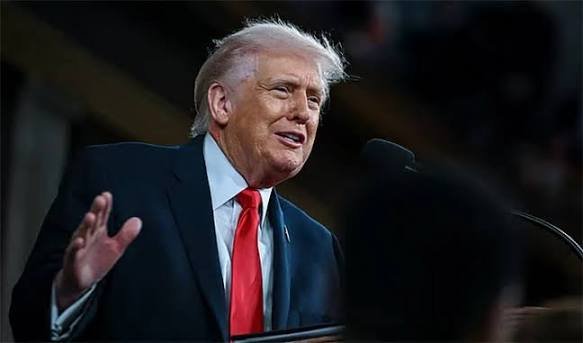
US President Donald Trump has threatened to declare the strategically vital Strait of Hormuz US territory, escalating tensions with Iran amid the ongoing conflict between the two countries.
Iran swiftly rejected the threat, insisting that the waterway “was, is and will remain” Iranian and that Tehran would decide when the strait would be opened or closed.
Speaking at the New York Police Academy’s Center for Training and Intelligence on Friday, Trump said he planned to declare the Strait of Hormuz US territory “very soon.”
In response, Iranian Deputy Foreign Minister Kazem Gharibabadi said in a post on X that the Strait of Hormuz “was, is and will remain Iran’s.”
He said Iran would maintain its blockade of the waterway until the country’s “strategic defeat” was no longer being sought, adding that Tehran would determine when the strait would be opened or closed.
Meanwhile, commercial shipping through the Strait of Hormuz has nearly come to a standstill. According to Kepler data, only two vessels passed through the waterway on Friday, and no crude oil tankers were recorded. Nine vessels crossed the strait on Thursday and five on Wednesday, compared with an average of 12 vessels a day during August.
Before the conflict began, more than 130 vessels passed through the Strait of Hormuz each day, underscoring the scale of the disruption.
The US Central Command said its forces had, by August 14, diverted the routes of 62 commercial vessels, disabled three vessels and boarded two others as part of efforts to enforce the US blockade against Iran.
The near-halt in shipping has intensified the dispute between Washington and Tehran over control of the strategic waterway. While the United States continues to exert military and economic pressure on Iran, Tehran has strengthened its claim of authority over maritime traffic through the strait.
The Strait of Hormuz is one of the world’s most important energy corridors, and prolonged disruption could have significant consequences for global oil and gas supplies. Despite the escalating confrontation, the two sides have yet to reach an agreement on formally resuming negotiations.