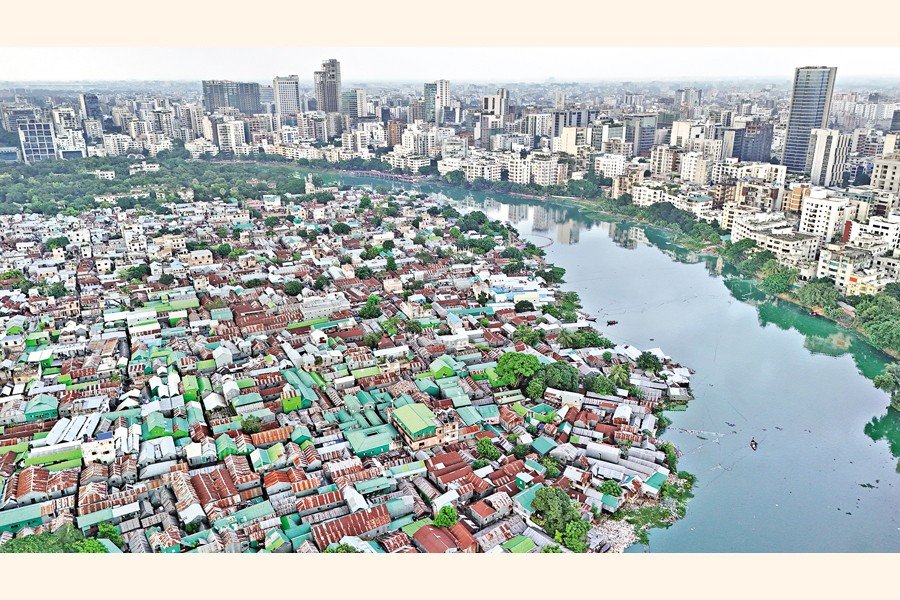
Slums in Dhaka city are already afflicted with abject poverty and frustrating living conditions. A more destructive problem – the rampant drug addiction among youths there- has compounded the worsening conditions in the slums. This epidemic of drug addiction is not merely destroying people’s lives; it is dismantling families, deteriorating economic hardship and threatening the actual social factor of the people. It is high time now for strategic and widespread intervention.
For families already struggling to survive on skimpy earnings, addiction of youths in the family far worsens their adversity and distress. A deeper analysis of the capital’s overcrowded slums, like korail, Rupnagar and many more in the city, exposes the alarming level of substance abuse.
A lot of youths, driven by financial despair and peer pressure, fall into the trap of addiction.
Yaba, cannabis and unregulated pills are easily available, pulling them into a vicious cycle of dependency and self-destruction. Devoid of feasible opportunities for education or job, these youths find themselves with no means out.
Many slum dwellers just make enough to cover their excessive rent-ranging from TK 3,500 to TK 4,000 for a single over crowed room. Women, often the main earners, are forced to take on several jobs to compensate for the economic drain caused by addicted family members. In extreme cases, some resort to begging or other desperate means to sustain themselves. Beyond
financial stress, drug addiction fuels crime and social instability. Addicts resort to theft, violence and mugging creating an environment of fear in the community. Domestic violence surges and many slum children are bound to drop out of schools, ensuring that the cycle of poverty an addiction continues. The increasing number of youths lost to substance abuse gives a grim picture of a generation at risk.
Law enforcement agencies conduct anti-narcotics operation with arrests aimed to curb drug circulation. But disciplinary actions alone are not enough. The root causes of addiction-poverty, unemployment and lack of education-must be removed through a holistic approach. Instead of relying merely on curbs, policymakers must prioritise rehabilitation programs, skill development initiatives and community-driven solutions. We cannot deny that education is a powerful factor in breaking this cycle. Although some families make education a priority, lack of affordable and accessible schooling prevents many children from attaining a proper education. Increased investment in education and vocational training may equip young people with the skills they need to secure stable employment and avoid the trap of drugs.
Besides, resilient social safety nets are necessary in supporting families at risk. Affordable housing, healthcare and mental health services may ease the pressures that thrust people towards substance abuse. The crisis of drug addiction in slums is not only an issue; it is a deep-rooted social emergency that needs urgent and sustained intervention. Without taking immediate steps, an entire generation of slum youths risks being lost to addiction, further entrenching poverty.
Policymakers, civil society and law enforcement agencies must work together to bring about durable solutions that address the real causes of addiction and provide the path to recovery. Only through strategic and collective effort the slum youths may be given a bright future.