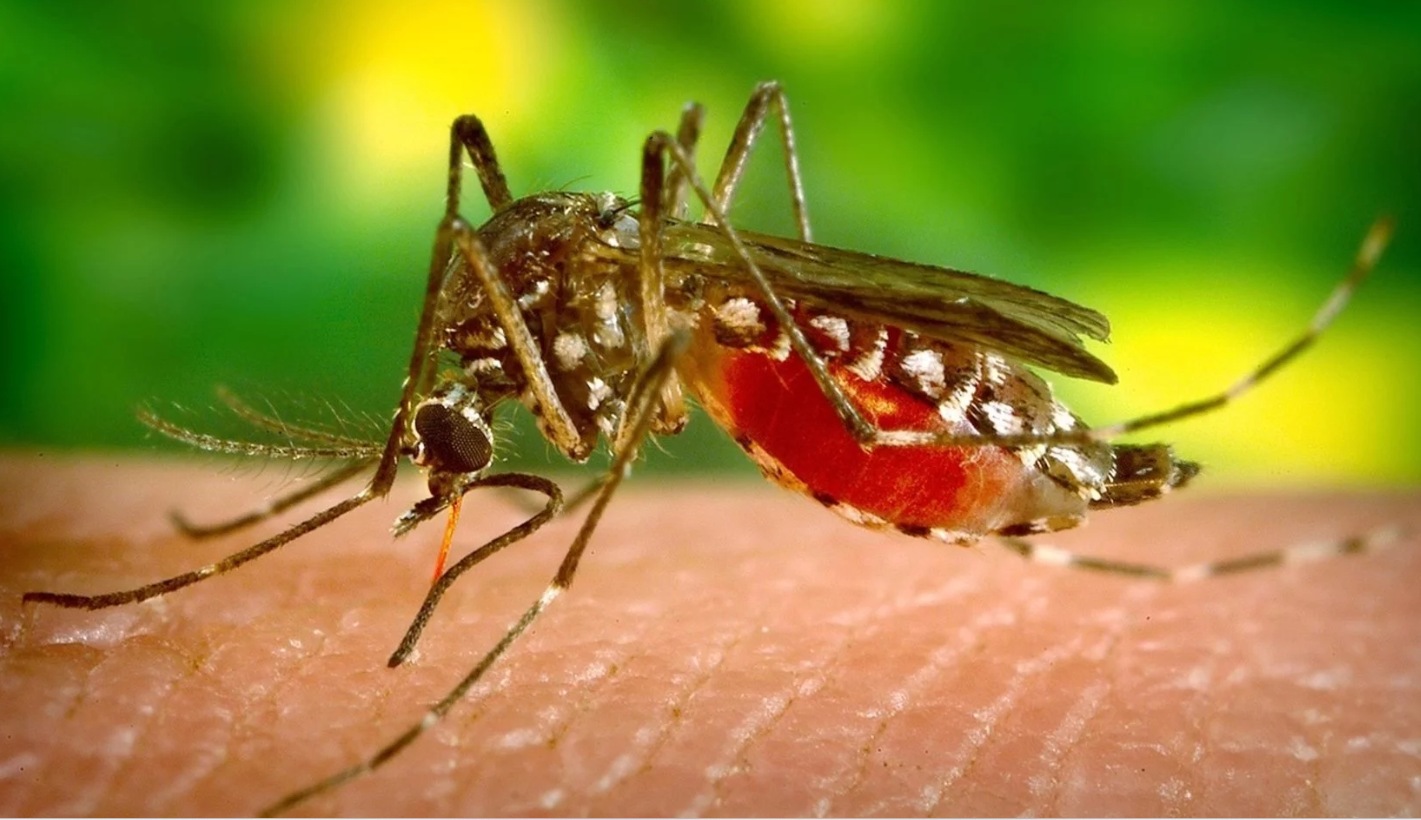
It is high time, people from all strata of society and the health sector as well should remember the maxim- forewarned is forearmed as early spells of rain in Dhaka and several other districts have intensified concerns over the breeding of Aedes mosquitoes, the vector of dengue and chikungunya.
Experts have warned that Bangladesh is likely to face a large-scale dengue outbreak this year unless authorities concerned act swiftly to identify mosquito hotspots, eliminate breeding grounds ahead of the monsoon and step up public awareness campaign.
This is all the more necessary, because the suspected measles, some suspect it is German measles, is taking a heavy toll of children’s life. It will be another trouble upon trouble for the country if there is any outbreak of dengue. So, there is no scope for turning deaf ears to the warning of the experts. The current period is vital for preventive action, particularly through better management of solid waste and containers in areas prone to rainwater accumulation. When it rains, water accumulates in containers scattered across different places, creating ideal breeding grounds for Aedes. It is, therefore, needed to strengthen waste management to ensure that water does not collect in these containers. If breeding hotspots are not eradicated immediately, the situation could worsen even before the rainy season, making it tougher for the government to contain infections.
According to the Directorate General of Health Services, Bangladesh recorded more than one lakh dengue cases annually over the past three years, overwhelming hospitals and pushing healthcare workers to their limits. The steady rise in dengue infections year by year is attributed to persistent shortcomings in preparedness and response. Outdated strategies, weak planning, and the absence of a comprehensive policy are responsible for ever-increasing number of dengue cases. According to experts, Bangladesh lacks a comprehensive system to identify and track dengue patients throughout the year and this leads to many infections remain uncounted, undermining mosquito control efforts.
Besides, fogging and chemical spraying often fail to destroy hidden breeding sites in both cities and villages. The efforts to control Aedes are, therefore, bound to remain ineffective without a science-based and coordinated programme supported by nationwide monitoring. Experts have been calling for the formation of an integrated vector management unit since the massive dengue outbreak in 2019, but
their suggestion has not yet been accepted.
Given the current temperatures, rains could allow mosquitoes to mature within a week. Mentioning climate change as a contributing factor, experts say that winter has become shorter. Earlier, winter helped reduce mosquito populations significantly, but now its impact is much less. Moreover, because of high population density, dengue cases in Bangladesh could jump in greater number.
However, the identification of mosquito breeding sites is the first step towards long-term mosquito control. Once the breeding sites are identified, Bti should be applied there to destroy larvae. Bti is a naturally occurring soil bacterium used as a biological pesticide to control mosquitoes without harming people. The city corporations should wage a battle to destroy mosquito breeding sites immediately.