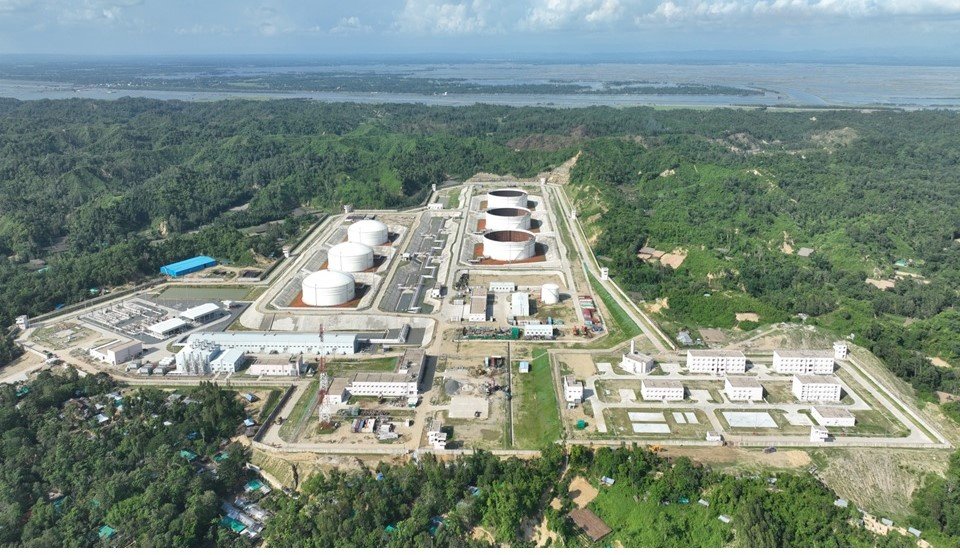
The process of appointing an operator for the Single Point Mooring (SPM) project l, one of the country’s largest and most modern energy infrastructures built at Maheshkhali in Cox’s Bazar has finally gained momentum. Evaluation of bids has begun to bring the long-idle project into operation, marking a significant step forward for Bangladesh’s energy sector.
According to sources, UAE-based ILF Engineering and Construction has been appointed as the consultant for evaluating the tender. Three foreign companies have participated in the international bidding process for operator selection. Their technical capacity, safety standards, and financial proposals will be reviewed before making a final decision.
Bangladesh Petroleum Corporation (BPC) officials said the evaluation process is expected to be completed within May, after which recommendations will be sent to the Energy and Mineral Resources Division. If all procedures are finalized on time, fuel transportation from the sea through pipelines is expected to begin by November.
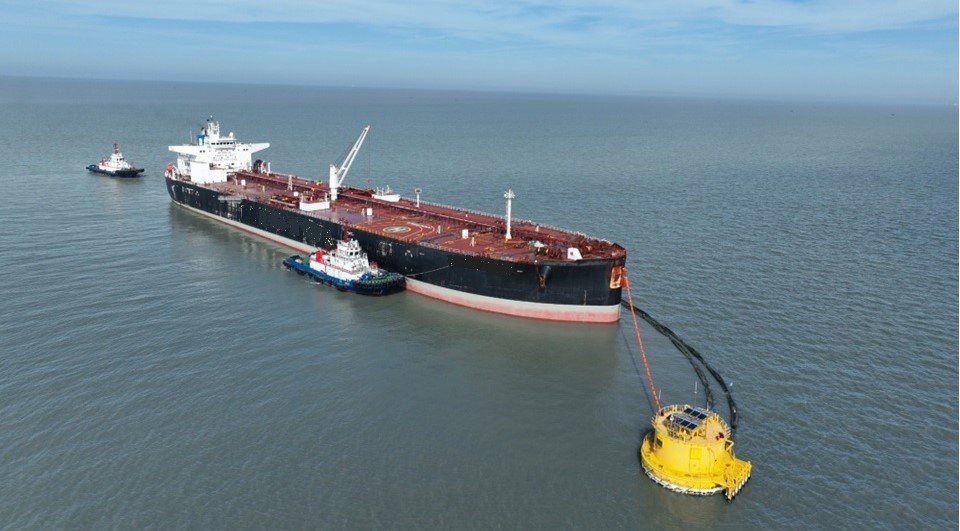
The project, built at a cost of around Tk 8,000 crore, was test-commissioned in March 2024 but has not been commercially operational since. As a result, the advanced infrastructure has remained unused for nearly two years, causing significant economic loss.
The SPM project will allow crude oil to be unloaded directly from large ocean-going tankers through pipelines and transported via Maheshkhali to the Eastern Refinery in Chattogram. The project includes an offshore mooring buoy in the Bay of Bengal, approximately 220 kilometers of pipeline, and six storage tanks with a combined capacity of about 200,000 tons of fuel.
Currently, oil is transferred from large tankers to smaller lighter vessels in deep sea, which is both time-consuming and costly. While unloading 100,000 tons of crude oil takes about 10–11 days under the existing system, the SPM facility can complete the same process within just 48 hours. This will significantly reduce time, cost, fuel loss and environmental risks.
Experts estimate that full operation of the project could save around Tk 800 crore in foreign currency annually. It is also expected to enhance the country’s energy supply stability and serve as a strategic reserve during emergencies.
The main reasons behind the delay in launching the project include the lack of experienced operators and prolonged recruitment procedures. Since Bangladesh has limited experience in operating such advanced infrastructure, reliance on foreign operators has become necessary. However, BPC has plans to train local personnel in the long run to build domestic capacity.
Energy experts believe the SPM project has the potential to be a “game-changer” for Bangladesh’s energy sector. However, its full benefits will depend on the timely appointment of a competent operator and effective management.
Concerned stakeholders emphasize that further delays should be avoided. Prompt action is essential to ensure the project becomes operational, otherwise the country risks not only economic losses but also missing a major opportunity to strengthen its energy security.
It is known that the Eastern Refinery PLC, a subsidiary of BPC, is the country’s only state-owned petroleum oil refinery, with an annual crude processing capacity of 1.5 million metric tons. To meet domestic energy demand, Bangladesh currently needs to import around 4.5 million metric tons of High-Speed Diesel (HSD) each year.