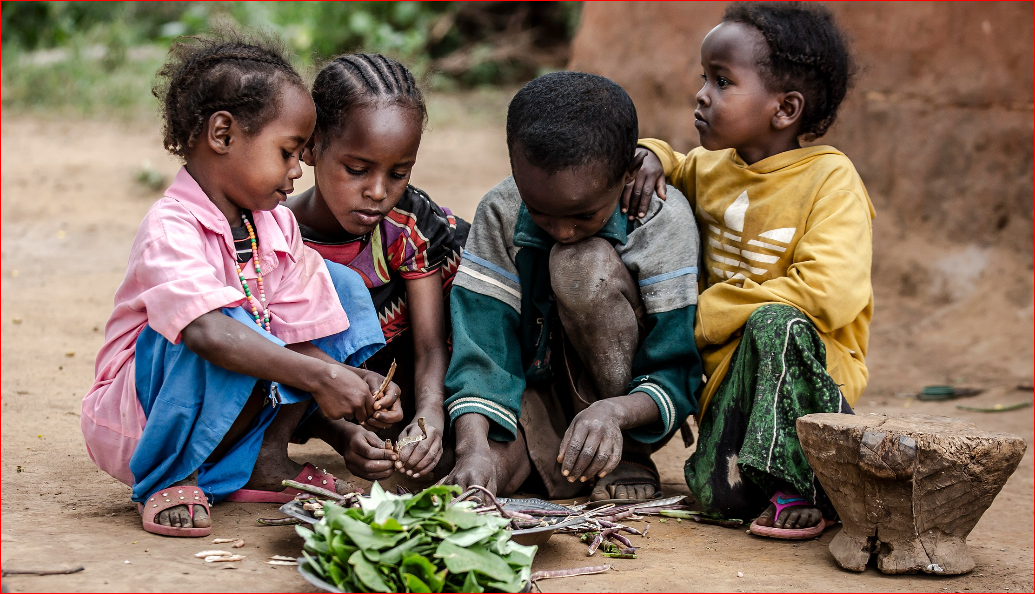
Millions of children across Bangladesh are suffering from malnutrition, primarily due to inadequate dietary intake. This reality is reflected in statistics in a 2024 UNICEF report which shows that two in three children under five experience food poverty. The reason behind child malnutrition is that poverty-stricken family’s meals consist largely of rice and vegetables only-meat is very rare fish occasional, and milk almost absent. The dietary intake is far below a minimum requirement of a child recommended by the world Health Organization (WHO). Child feeding practices remain insufficient, with exclusive breastfeeding dropping to 53 percent in 2022 from 65 percent in 2017-2018. Only 30 percent of children aged between six months and 23 months receive a minimum acceptable diet, highlighting chronic malnutrition and an urgent need for interventions.
According to Bangladesh Demographic and Health Survey (BDHS) reports, economic disparities play a major role in child malnutrition: stenting affects 34.5 percent of children from the poorest households, while rates of wasting also show a strong correlation with household income. As the cost of a healthy diet soars, many poor families cannot afford it and are forced to compromise on the quality of meals.
Malnutrition continues to threaten the childrens physical growth, cognitive development, and long -term potential. The causes are multifaceted, insufficient healthcare services, repeated infections, very limited access to protein-rich foods, and lack of fruits consumption. The result is dreadfully damaging as malnourished children often struggle with poor concentration, weak immunity, and diminished learning capability affecting their education and overall quality of life.
Children born in urban slums, tea estates, poor rural households, and refugee camps face the highest risk of malnutrition. Those born to uneducated mothers are particularly vulnerable due to lack of awareness about balanced diets and proper feeding practices. Unhygienic food, poor sanitation and unsafe water lead to an increase in diarrhoea and infections, driving up malnutrition in children. Children now are seen having iron and vitamin D deficiency, worm infections, allergy and many more health complications leading to malnutrition. According to UNICEF, in Bangladesh the child mortality rate has decreased, but the country still records 20 neonatal deaths, 25 infant deaths and 31 under- five deaths per 1000 live births. Experts stress that maternal nutrition during pregnancy is key to breaking the cycle of malnutrition.
In order to get rid of the worrying problem of malnutrition, maternal supplementation, breastfeeding promotion, diatary diversity, and school-based nutrition education, hygiene initiatives aid targeted at slum dwellers and the extreme poor ought to be emphasized. Experts also call for expansion of school meals including eggs, nuts, fortified biscuits, and above all milk. Expectant mothers must consume a balanced diet including fruits, vegetables, grains, proteins, milk, oil and essential micronutrients such as iron, calcium, iodine, and vitamins A, C, D, B6, B12, and folic acid. But the big question crops up- can a poor family afford this kind of rich diet and supplement for the expectant mothers? To lessen the burden of the low-income group, experts suggest strengthening social safety net programmes like Open Market Sale (OMS) in a broader way. Severe malnutrition among millions of children must be tackled sooner than later, otherwise the nation has to pay the price in health, education, and economic potential in future.