Panchagarh Correspondent
Tea growers in Panchagarh and four other districts of Rangpur division are facing a fertiliser shortage as the agriculture department has no separate allocation for tea gardens. The shortage of urea and DAP, coupled with increased pest attacks, is causing concern among growers.
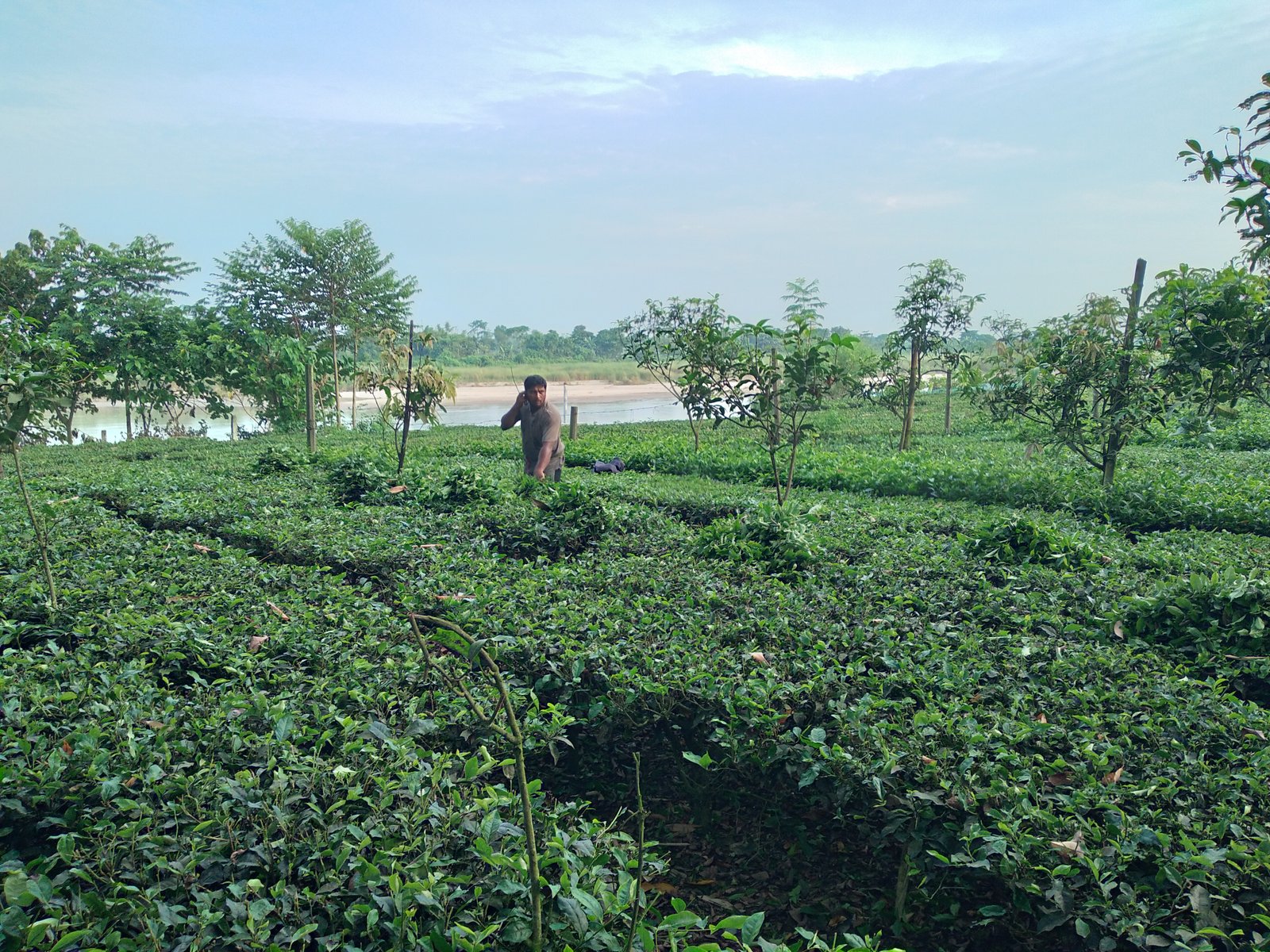
Panchagarh has emerged as one of the country's major plainland tea-producing regions, with tea cultivated on around 9,899 acres of land. Both cultivation and production have been increasing every year.
However, growers are facing difficulties in maintaining their gardens this production season. They said they are unable to apply the required fertilisers on time because there is no separate allocation for tea gardens through the agriculture department.
The problem is compounded by increased pest attacks, including those by looper and red spider mites, which are damaging young tea leaves. As a result, the cost of cultivation and production is rising. Growers fear that delays in applying fertiliser and pesticides could affect both tea production and quality.
Alamgir Hossain, a retired teacher and small tea grower in Aziz Nagar village, said, “Pest attacks in the garden have increased. When I went to the agriculture office for fertiliser, they said they had no allocation for tea gardens. As a result, we are facing great difficulties in maintaining our gardens. Production will fall if we do not get fertiliser on time. We want fertiliser and pesticides to be supplied quickly.”
Another grower from the same village, Alauddin, said he had cultivated tea on 10 acres of land and needed around 50 sacks of fertiliser per round, but received only two sacks.
“I cannot apply fertiliser to the garden on time. When I went to the agriculture office because of the shortage, they said there was no fertiliser allocation for tea growers. What will we do then? Will we have to uproot the tea gardens because of the lack of proper maintenance?” he said.
Mosharaf Hossain, a teacher and tea grower in Tentulia, said he had cultivated tea on five acres of land.
“Tea is now the main cash crop in this region, but we are not getting fertiliser on time. When we go to shops, representatives of the agriculture office present there say there is no allocation for tea growers. In this situation, we want the government to ensure fertiliser supplies for maintaining our tea gardens,” he said.
The growers demanded a permanent arrangement for supplying fertiliser and pesticides to sustain production in the tea industry.
According to the Panchagarh regional office of the Bangladesh Tea Board, plainland tea in Panchagarh and four other districts of Rangpur division has become an important part of the country's tea industry.
Tea Board data show that around 83.288 million kg of green tea leaves were produced in Panchagarh in 2025. During the same period, 31 tea factories in the district produced around 17.248 million kg of processed tea.
In the 2025-26 financial year, processed tea leaves worth around Tk 440 crore were sold, making the industry an important contributor to the national economy.
According to the Tea Board, growers need around 3,500 metric tonnes of TSP/DAP and 3,000 metric tonnes of MOP fertiliser annually. The growers have therefore demanded a separate fertiliser allocation for tea gardens.
Md Amir Hossain, acting officer of the Bangladesh Tea Board's Panchagarh regional office, said, “The Bangladesh Tea Board has applied to the Prime Minister through the district administration for the necessary fertiliser allocation for tea growers. The application has been approved and sent to the secretary of the Ministry of Agriculture. The process is ongoing. Once it is finalised, tea growers will no longer face a fertiliser shortage.”
Sabrina Afrin, upazila agriculture officer in Tentulia, said, “Fertiliser allocated by the Ministry of Agriculture is being distributed properly among farmers for vegetable and rice cultivation from dealers' shops in the presence of sub-assistant agriculture officers. But under the ministry's instructions, we cannot provide fertiliser allocated for vegetables and rice to tea growers. If additional fertiliser is allocated through the Tea Board, we will be able to distribute it. The matter is being processed by the Ministry of Agriculture.”
Plainland tea cultivation and production are increasing every year. However, growers fear that production could be affected if adequate supplies of fertiliser and pesticides are not ensured in line with the expansion of cultivation. They hope the current shortage will be permanently resolved through the proposed fertiliser allocation. #EK