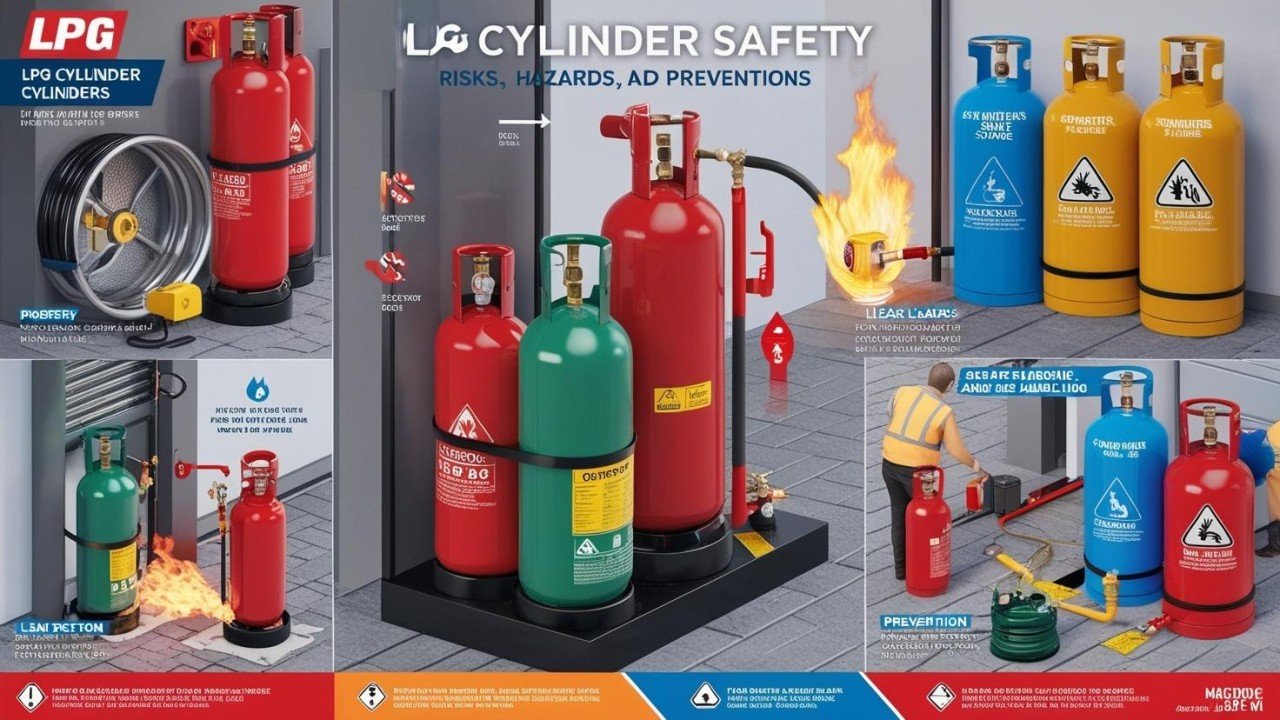
There has been a rapid expansion of Bangladesh’s liquefied petroleum gas sector without adequate safety compliance, technical oversight and trained manpower. This situation is increasing the risk of fires and explosions in homes, industries and transportation systems, experts and regulators warned recently. The observation came at a roundtable titled ‘Bangladesh’s LPG sector Faces Rising Safety and Regulatory Challenges’ held in Dhaka. Experts said the use of LPG is increasing day by day, but safety measures are not being taken properly even though it should be the prime concern. Experts further said most LPG-related accidents are preventable, but negligence, weak enforcement, poor maintenance and lack of safety awareness continue to expose consumers and workers to serious hazards.
Warnings against danger are hardly heeded by the people in our country. It is as though people have become inured to mishaps. It is not that accidents do not happen in developed countries in the occident. But the difference it makes is that while those countries adopt some preventive steps to stop accidents or recurrence of accidents, we accept the hazards with an astonishing degree of nonchalance. This sort of stolid indifference is certainly not helpful, because if a country ignores the possibility of disaster as something normal, preventive measures never materialise.
LPg remains a safe, clean and reliable fuel only when handled properly. Improper handling, negligence and non-compliance with safety regulations are the primary causes of most major LPG accidents. Many facilities still lack certified gas detectors, emergency shutdown systems, alarms and adequate fire protection measures.
According to experts, in fire hazards, fuel, oxygen and ignition sources are required. Since LPG itself is the fuel and oxygen already exists in the atmosphere, preventing gas leakage and accumulation becomes the key safety priority. Delay inleak detection and emergency response can allow gas accumulation, which may eventually lead to catastrophic explosions. Weak regulatory enforcement and oversight also contribute to the grave risks.
Almost 90 percent of Autogas stations are reportedly operating without valid licences from the Department of Explosives, indicating major gaps in safety verification and regulatory compliance. Unauthorised and unlicensed LPG road tankers are contributing to unsafe transportation practices. Operators are struggling with growing safety and regulatory problems while continuing operations without proper licences and compliance. Non-standard equipment, lack of proper training and poor awareness about safe use are major concerns. Experts also criticised the LPG Regulations introduced in 2016, saying stakeholders were not adequately consulted about practical complications during policy formulation. More realistic and enforceable amendments to the policy are demanded.