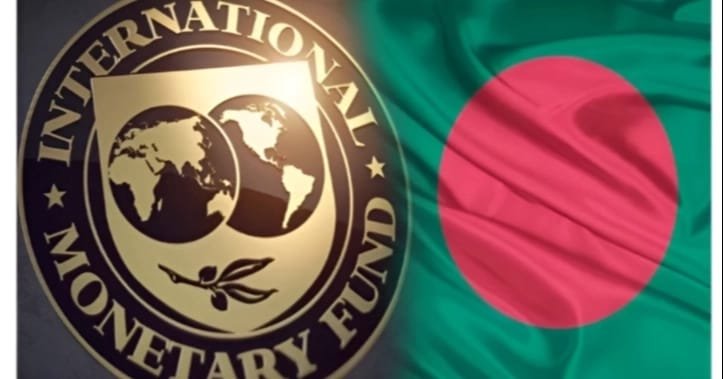
Bangladesh has formally requested a fresh financial arrangement from the International Monetary Fund (IMF) to support and anchor its ongoing macroeconomic reform initiatives, the global lender announced on Wednesday.
In a statement issued today (Wednesday), IMF Mission Chief for Bangladesh, Mr. Ivo Krznar, said that discussions are already underway regarding the policy priorities and structural updates underpinning the new funding request.
"The ongoing IMF-supported program, approved in January 2023 under the Extended Credit Facility (ECF), Extended Fund Facility (EFF), and Resilience and Sustainability Facility (RSF), has served as a critical policy anchor for Bangladesh," the Mission Chief noted.
However, the global lender emphasized that the country’s macroeconomic and political landscape has shifted significantly since the inception of the 2023 program, with banking-sector vulnerabilities and chronic revenue-collection shortfalls emerging as primary structural challenges.
The IMF indicated that negotiations for the potential new facility are designed to address current ground realities and align closely with the strategic priorities of the new administration.
The multilateral lender explicitly clarified that any new credit package will be strictly contingent upon the country’s balance of payments (BOP) needs, the strength of its policy commitments, and the credibility of its structural reform agenda. Any finalized deal will ultimately require the stamp of approval from the IMF’s Executive Board.
To lay the groundwork, the IMF is planning an upcoming staff visit to Dhaka. The delegation will review recent macroeconomic developments, evaluate policy priorities, and assess looming economic headwinds. Detailed negotiations regarding the exact financial quantum, tranches, and conditions of the new package will take place during subsequent formal missions.
Reiterating its long-term stance, the Washington-based lender stated that it remains fully committed to partnering with Bangladesh to restore sustainable macroeconomic stability, fortify financial sector resilience, and stimulate inclusive economic growth, reports UNB.