In a political landscape often defined by confrontation rather than cooperation, the proposal by Prime Minister Tarique Rahman to form a 10-member joint parliamentary committee on the energy crisis stands out as a notable and welcome departure. Equally significant is the swift and constructive response from Opposition Leader Shafiqur Rahman, who not only endorsed the initiative but also promptly submitted five names from his side. This rare convergence between treasury and opposition benches offers a glimmer of hope at a time when the country faces mounting pressure from an ongoing energy shortfall.
Energy shortages have become a persistent concern for Bangladesh, disrupting daily life, hampering industrial productivity, and straining public patience. While the government has pointed to global factors—particularly geopolitical tensions and volatility in fuel markets—the domestic impact is undeniable. Load-shedding, rising costs, and supply uncertainties have made energy one of the most pressing national issues. Against this backdrop, the willingness of both sides of the political divide to collaborate deserves recognition.
The structure of the proposed committee—five members each from the government and opposition, led by Energy Minister Iqbal Hassan Mahmood Tuku—suggests a balanced approach. If managed sincerely, this body could evolve into a meaningful platform for dialogue, evidence-based policymaking, and consensus-building. The Prime Minister’s assurance that the government will seriously consider and implement feasible recommendations further strengthens the credibility of the initiative.
However, optimism must be tempered with realism. Bangladesh’s political history is replete with instances where promising starts failed to translate into lasting outcomes. Committees have often been formed only to become inactive or sidelined by partisan interests. For this initiative to succeed, it must avoid becoming symbolic. The committee should have a clear mandate, a defined timeline, and the authority to access necessary data and consult relevant stakeholders, including energy experts, private sector actors, and civil society.
The opposition’s proposal to extend load-shedding practices even to the Parliament complex—though partly symbolic—reflects an important principle: shared responsibility. When policymakers themselves experience the consequences of national challenges, it can foster greater urgency and empathy in decision-making. While practical constraints may limit such measures, the spirit behind the suggestion should not be dismissed.
This moment also carries broader implications for Bangladesh’s democratic culture. Constructive engagement between government and opposition has long been elusive. If this committee functions effectively, it could set a precedent for cooperation on other critical issues such as economic reform, governance, and climate resilience. It could help shift politics away from zero-sum confrontation toward problem-solving and national interest.
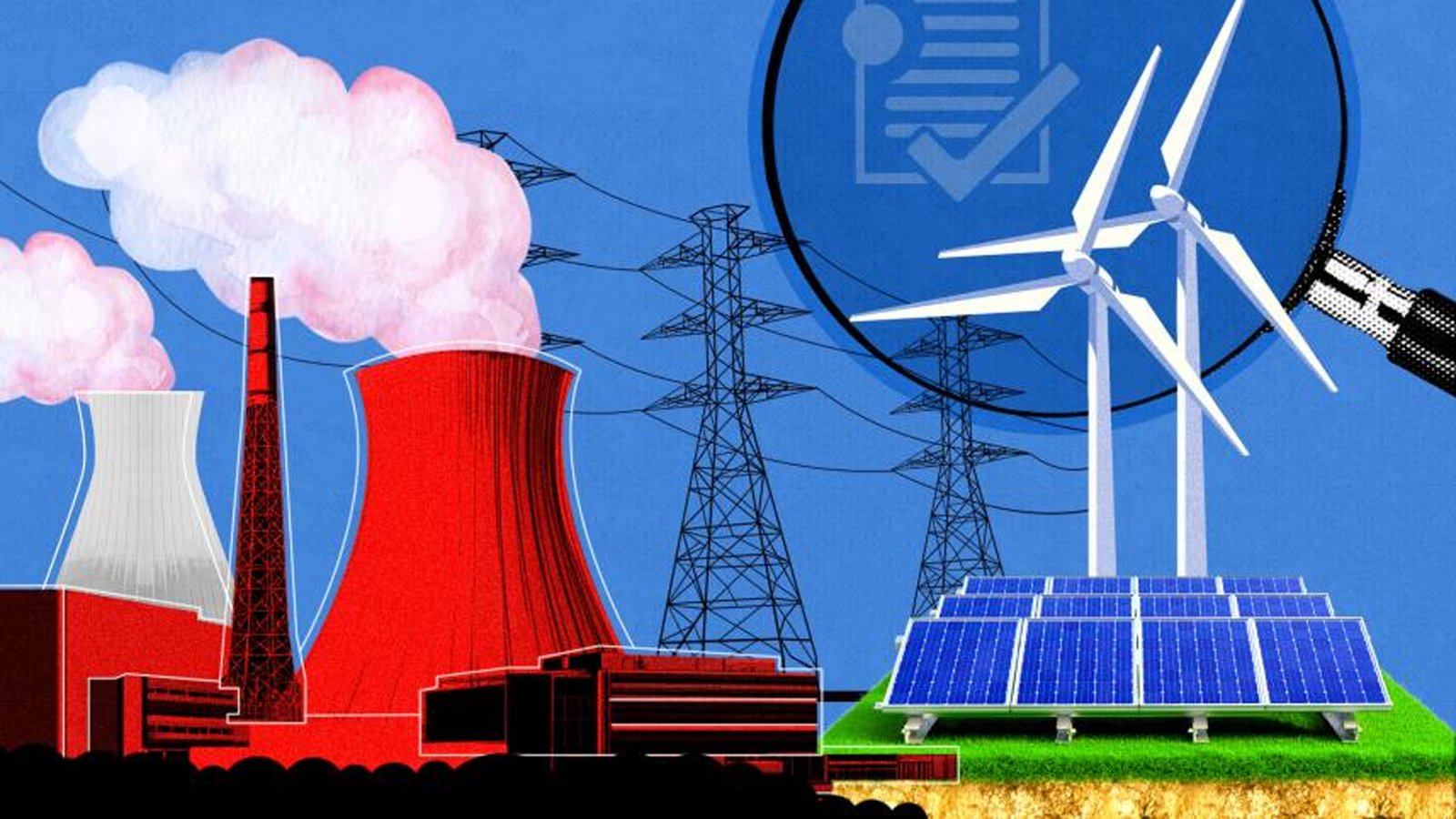
Ultimately, the success of this initiative will depend not on its announcement but on its execution. The energy crisis demands innovative thinking—diversification of energy sources, investment in renewables, improved efficiency, and better governance in the power sector. A bipartisan committee, if genuinely empowered, can help build the political consensus necessary to pursue these long-term solutions.
The formation of this joint committee is, indeed, a historic step. But history will judge it not by its intent, but by its impact.