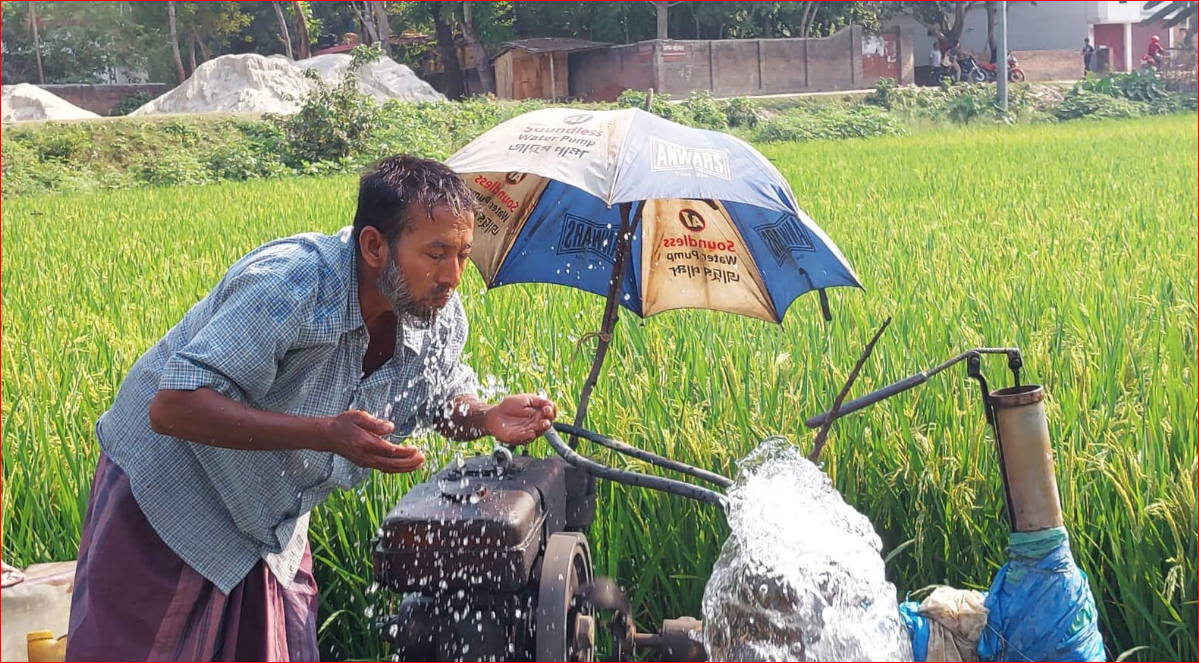
A light to moderate heat wave is now sweeping Dhaka and other parts of Bangladesh, seriously affecting life of people. Heat wave is no longer a rare event; it has become a frequent and dangerous reality in many countries like Bangladesh. With the rising global temperature, extreme heat poses a serious threat to public health. In such conditions, following proper health guidelines is not just advisable—it is essential for survival and well-being.
One of the most important precautions during a heat wave is staying properly hydrated.
The human body loses a significant amount of water through sweating, and this loss must be replenished regularly. Drinking plenty of clean water throughout the day is crucial, even if one does not feel thirsty. At the same time, beverages like tea, coffee, and soft drinks should be limited, as they can increase dehydration. Fresh fruits and vegetables with high water content, such as watermelon and cucumber, can also help maintain hydration levels.
Another key guideline is to avoid unnecessary exposure to direct sunlight, especially during peak hours between late morning and afternoon. During this time, temperatures are at their highest, and the risk of heat-related illnesses increases significantly. If it is necessary to go outside, wearing light-colored, loose-fitting clothing can help reflect heat and keep the body cool. Using protective items such as hats, sunglasses, and umbrellas can further reduce direct exposure to the sun.
Maintaining a cool and comfortable indoor environment is equally important. Simple measures such as using fans, keeping windows open for ventilation, and taking cool showers can help regulate body temperature. In areas where electricity is available, air conditioning can provide significant relief. People should also avoid overcrowded and poorly ventilated spaces, as they tend to trap heat and worsen discomfort.
Special attention must be given to vulnerable groups, including children, the elderly, and individuals with existing health conditions. These groups are more likely to suffer from heat exhaustion and heatstroke, which can be life-threatening if not treated promptly.
Family members and caregivers should regularly check on them and ensure they are staying cool and hydrated.
Public awareness plays a vital role in reducing the impact of heat wave. Governments and health organisations should actively spread information about safety measures and early symptoms of heat-related illnesses. Community efforts, such as setting up cooling centers and providing access to clean drinking water, can make a significant difference in protecting lives.
We cannot avoid heat waves but its harmful effects can be minimised through proper awareness and simple daily practices. By staying hydrated, avoiding excessive heat exposure, and taking care of vulnerable individuals, we can protect ourselves and our communities. It is time to treat heat waves as a serious public health issue and respond with responsibility and preparedness.